Everyday Skills in NF1: What Parents Can Watch for and How to Help
A practical resource for parents and caregivers from NF Midwest Parent Conversations
Parents and caregivers affected by NF carry a lot of questions, and that’s normal.
Some are medical. Some are emotional. And many are practical:
- Why does my child struggle with things that seem easy for other kids?
- Should I be worried about handwriting, balance, picky eating, or making friends?
- What can I do at home to help?
That is why NF Midwest created NF Parent Conversations, a welcoming online space for parents and caregivers to connect, ask questions, and learn from others who understand. Some conversations focus on a specific topic. Others offer open discussion and shared support.
During a recent Parent Conversation, NF Midwest welcomed Maddy Schmitt, MS, OTR/L, NF Center Coordinator and Occupational Therapist with the WashU Med Neurofibromatosis Center. Maddy has been practicing for about eight years, and her work focuses mainly on children and young adults with NF1.
She shared practical guidance for parents who want to better understand how NF1 may affect everyday skills, and how families can support children at home, at school, and in the community.
NF1 Can Affect Many Everyday Skills
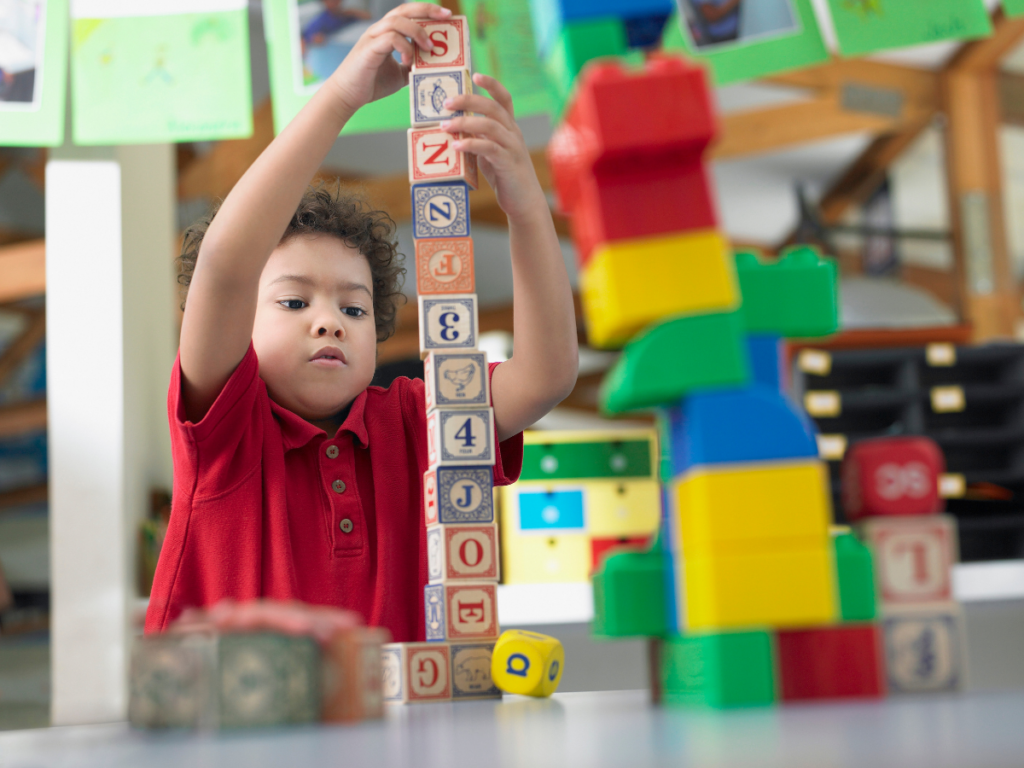
Children with NF1 may have challenges in different areas:
- Fine motor skills — writing, buttoning clothes, using utensils, or other small hand movements
- Gross motor skills — balance, walking, climbing, running, or joining playground games
- Executive functioning — planning, organizing thoughts, following steps, and finishing a task
Executive functioning is a big one. For example, a child may know what they need to do but have trouble getting started, staying on track, or doing the steps in order.
These challenges can be frustrating for children and parents. But they are not a sign that a child is not trying. Many kids simply need extra support, more practice, or a different way to learn the skill.
Sensory Needs May Be Part of the Picture
Maddy also talked about sensory processing. Most of us think about the five senses: sight, hearing, smell, taste, and touch. But there are other body senses that matter too:
- Vestibular — balance and head position in relation to gravity
- Proprioception — body awareness and position in space
- Interoception — noticing internal body signals, like a racing heart when you feel nervous, or pain
Some children may seek more body input by jumping, crashing, leaning, or bumping into things. Others may not notice body signals as clearly, for example, not feeling pain as intensely as others might.
Touch and texture can also matter. Some children may dislike certain clothes, messy or slimy textures, or the feeling of things on their hands. This can show up as picky eating, clothing battles, or strong reactions to everyday tasks.
Focus on Function, Not Comparison
One of Maddy’s most helpful reminders was to focus on function rather than on how your child compares to other kids.
Before worrying that a child isn’t doing what a same-age peer is doing, Maddy suggested asking:
- Can my child do what they need to do?
- Can my child do what they want to do?
- Is this task causing stress, frustration, or avoidance?
- Would support help them be more independent?
Handwriting is a good example. A child may not hold a pencil the “perfect” way. But the bigger question is whether others can read what they write, and whether they can finish their work without pain or too much fatigue.
As Maddy put it, “Function matters, independence matters, and confidence matters.”
Therapy Can Help Children Practice Skills Safely
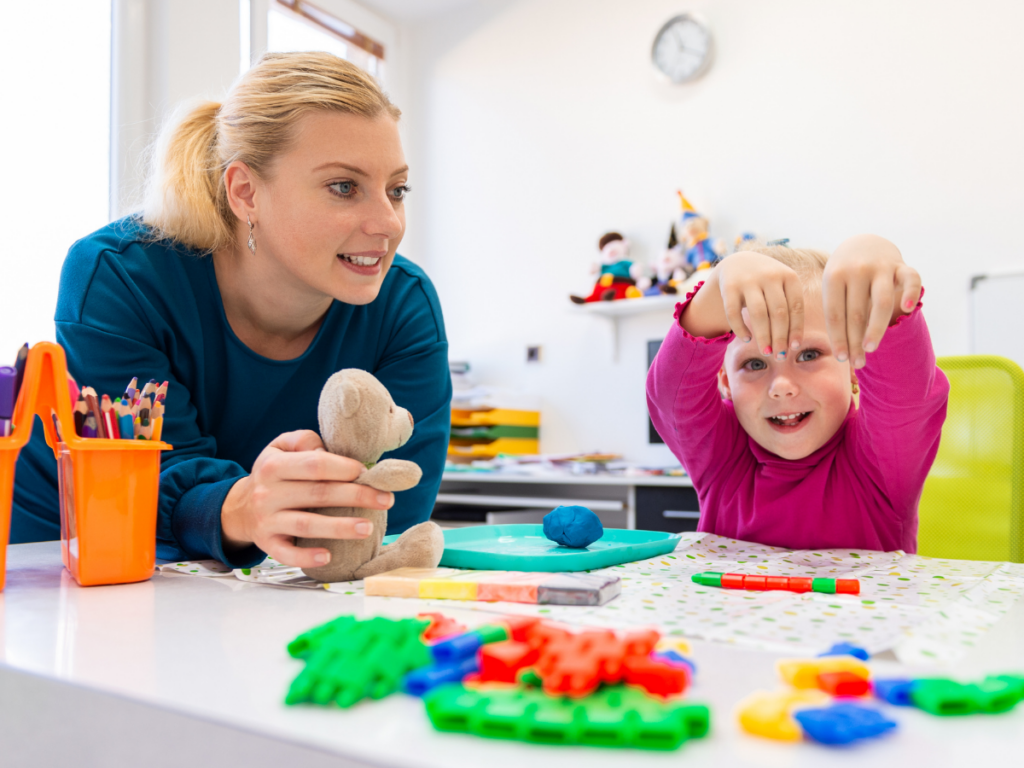
Occupational therapy, physical therapy, and speech therapy can all support children with NF1:
- Occupational therapy can help with daily activities, fine motor skills, sensory needs, feeding concerns, and independence.
- Physical therapy can help with strength, balance, coordination, walking, and larger movements.
- Speech therapy can help with communication, social interaction, and other language needs.
For some children, these therapies work best together. Maddy shared that OT, PT, and speech can sometimes be coordinated, so families are not trying to manage three separate appointments.
You also do not have to receive school-based services to get outpatient therapy. Maddy noted that outpatient services are always available, and often a parent can start by calling their pediatrician and asking for a referral. Depending on your insurance, it can be that simple.
Everyday Activities Can Build Skills Too
Parents do not need to turn home into a therapy clinic. Many helpful activities are already part of daily life, and many are free. Maddy especially encouraged getting outside.
Children can build skills through:
- Playground time — climbing, swinging, and balancing. Pumping legs on a swing is more complex than it looks and helps with motor planning and the vestibular system.
- Obstacle courses — set one up at the playground and give step-by-step directions (“first this, then this”). Start with two to three steps, then add more as your child is ready.
- Everyday outings — let your child order their own ice cream or ask a grocery store employee where to find their favorite cereal. These are easy ways to practice social skills.
- Helping at home — cooking and stirring, sorting laundry, opening containers.
- Hands-on play — clay or dough, drawing, coloring, and cutting.
- Board and card games — games like Guess Who or Clue help with processing and organizing thoughts.
- Movement activities — sports, dance, swimming, or community programs through places like the YMCA.
Some children may do well in adaptive programs. Others may enjoy activities alongside children who do not have NF1. Maddy noted that both can be helpful, and sometimes being around same-age peers without a delay can help kids pick up new skills more quickly.
The goal is simply to give children chances to practice, connect, and build confidence.
Routines and Visual Supports Can Help
Many parents in the conversation shared the same daily struggle: getting through morning and bedtime routines, remembering the backpack, the folder, and the water bottle. Maddy offered reassurance and concrete tools.
First, the reassurance: this kind of struggle does not always become second nature, and that is not unique to NF1. It is closely tied to executive functioning, and it can shift as a child grows. That is normal.
What helps most is visual support. A few ideas Maddy shared:
- Make a visual schedule for tricky times of day, like mornings or bedtime. Use pictures for children who don’t read yet, or simple written steps.
- Let your child check off each step as they finish it. Doing the marking themselves is part of what builds the habit.
- Keep rewards small. A sticker for finishing the routine, and a little prize from a prize box after a handful of stickers, is plenty.
- Break big tasks into small steps, and don’t be afraid to show only a few steps at a time, so a long list doesn’t feel overwhelming.
For back-to-school, Maddy suggested not springing the new routine on a child the night before. Instead:
- Start the morning routine about two weeks before school begins, whenever your child naturally wakes up.
- At that time, slowly begin shifting wake-up time a little earlier each day.
- Also, start winding down earlier at night, too, and reduce screen time an hour or two before bed.
Social Skills Are Skills Too

Maddy also reminded families that social skills are skills like any other. Some children with NF1 may need support with making friends, joining a conversation, talking with adults, or understanding peer relationships.
Group activities can help children practice these skills in a natural way. They also give parents a chance to connect with other families who understand.
This is one reason NF Parent Conversations are so important. Parents need practical information, but they also need space to ask questions, share concerns, and hear from people who understand life with NF.
When to Ask for More Help
You may want to ask your child’s doctor, NF care team, school team, or therapist for guidance if your child is:
- Struggling with daily tasks
- Falling often
- Avoiding certain activities
- Having strong sensory reactions
- Falling behind in skills that affect school, home, or friendships
You do not have to wait until something feels serious. Asking questions early can help your child get support sooner.
Every child with NF1 is different. Some children may need a little help. Others may need more support over time. As Maddy reminded everyone, try not to judge what your child is doing, or what you are doing as a parent. Focus on function, focus on what your child can do, and don’t judge yourself too hard.
Responses